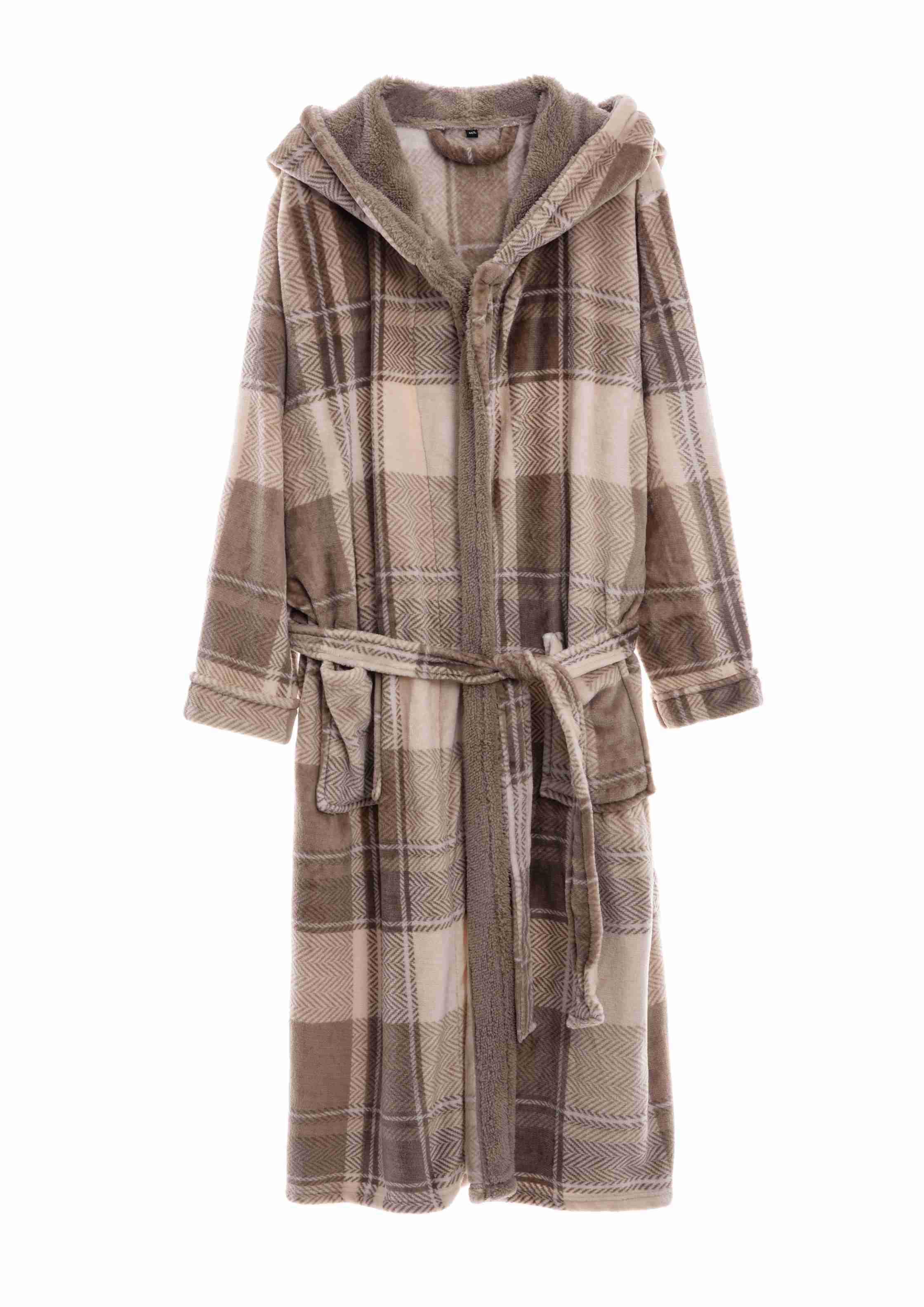


Initially, fleece and minky fleece appear to be almost identical. Both are yielding. Both are friendly. Both are commonly employed in warm jackets, clothing, baby goods, and domestic textiles. To a novice’s eye or even the general public, the two fabrics appear to have the same function. However, in practice, fleece and minky fleece have a significant difference in composition, feel, capabilities, and intended use.
Understanding the distinction between fleece and minky fleece isn’t solely based on terminology from the textile industry. It has an effect on comfort, consistency, maintenance, cost, and appropriateness for a specific purpose. Whether you’re a manufacturer, brand owner, wholesaler, or consumer trying to make an informed decision, understanding the difference between these two fabrics will help you avoid costly mistakes and choose the material that best suits your needs.
Fleece as a Fabric Category
Fleece is not limited to a specific fabric type, but rather a general term for all knitted textiles, the majority of which are composed of polyester fibers. It was originally intended to be a synthetic counterpart to wool, it was designed to provide warmth without the weight, itchiness, or moisture associated with the natural fibers of wool.
Traditional fleece fabric is produced using a base fabric that is brushed on either side. This brushing procedure causes fibers to be pulled towards the surface, which creates a soft, fluffy texture that is capable of holding air. The trapped air functions as insulation; this is why the fleece is so effective at keeping warmth while still being relatively thin.
Eventually, fleece has evolved into numerous subtypes, including polar fleece, microfleece, anti-pill fleece, and bonded fleece. Despite the variety of names, all of the fleece fabrics have a common core attribute: breathability, warmth, flexibility, and ease of care.
Fleece became popular in the outdoors, sportswear, and casual clothing because it performed well in cool conditions and dried quickly. It also became common in blankets, throws, and linings because of its budgetability and versatility.
What Exactly Is Minky Fleece?
Minky fabric, which is often called simply “minky, is a special type of polyester fabric that is part of the fabric family but stands out exceptionally. Unlike the typical fleece, which is primarily designed to provide thermal insulation, the minky fleece is primarily intended to provide a luxurious feel.
Minky fleece is distinguished by a short, dense pile that produces a textured, almost fluffy surface. The fibers are extremely small, which results in a smooth, silky feel of the fabric rather than the fluffy texture associated with traditional clothing. Many individuals describe minky as having a similar feel to felt, suede, or even animal fur, based on the finish.
Another unique attribute of minky fabric is the design of the surface. Minky’s often featured or decorated with raised stripes, waves, stars, or other patterns. These textures are not merely ornamental; they augment the sensory experience, which is of special importance in the baby industry and other areas.
While standard fleece is primarily concerned with warmth and practicality, minky fleece is intended to provide softness, comfort, and emotional appeal. This distinction affects everything from the fabric’s creation to its utilization in finished products.
Differences in Manufacturing and Fabric Structure
The distinction between fleece and minky fleece is located in the manufacturing process. Despite both being primarily composed of polyester, the way the fibers are treated and combined results in different outcomes.
Standard fleece has a longer fabric composition that is brushed outwards from the base of the knit. This brushing procedure creates elevations and spaces for air, both of which increase the insulation. The compacted structure is still relatively permeable, which allows for airflow and the evaporation of moisture.
Conversely, Minky’s fleece employs extremely small microfibers that are densely packed. The stack is compact and short, rather than long and fluffy. Instead of taking a lot of time to brush, Minky utilizes precise cutting and finalization to achieve its signature smooth surface. Carving or embossing is often incorporated into the process to create textured, raised areas without negatively affecting the softness of the material.
These structural differences explain the fact that fleece feels light and inviting, while minky feels rich and comfortable against the skin.

Texture and Sensory Experience
One of the most noticeable differences between fleece and minky fleece is how they feel when touched.
Fleece offers a soft but slightly fuzzy texture. It feels warm and comfortable, particularly when layered against the body. The sensation is often described as cozy rather than luxurious. For many applications, especially in outerwear and blankets, this level of softness is more than sufficient.
Minky fleece delivers a completely different sensory experience. Its surface is exceptionally smooth, with a buttery softness that feels almost fluid under the fingers. The dense pile creates uniform contact with the skin, eliminating the slight tickle or friction that some people notice with standard fleece.
This difference in tactile quality is the main reason minky fleece is favored for baby blankets, plush toys, and products designed for prolonged skin contact. The fabric does not irritate sensitive skin and provides a soothing sensory effect.
Warmth and Insulation Performance
Although both fabrics are considered warm, their insulation mechanisms differ.
Fleece retains heat by trapping air within its brushed fibers. This makes it highly effective as a mid-layer in clothing systems and as a blanket material in cool environments. Fleece also maintains warmth even when slightly damp, which is why it performs well in outdoor and active settings.
Minky fleece, despite feeling warm, is not designed primarily for thermal efficiency. Its dense, short pile does not trap as much air as traditional fleece. Instead, it provides warmth through surface comfort and body heat retention at close contact points.
In practical terms, fleece is generally warmer and more breathable, while minky fleece feels warmer on contact but may not regulate temperature as effectively in extended use or active situations.
Breathability and Moisture Management
Breathability is an area where fleece and minky fleece diverge significantly.
Standard fleece allows air to circulate through its knit structure. This airflow helps regulate body temperature and allows moisture vapor to escape. As a result, fleece is well-suited for active wear, outdoor use, and situations where temperature fluctuation is expected.
Minky fleece, due to its dense fiber arrangement, is less breathable. While it does not completely block airflow, it retains heat more directly at the surface. This characteristic is ideal for stationary use—such as blankets or throws—but less suitable for active garments or warm climates.
Durability and Long-Term Appearance
Durability is another key factor separating fleece from minky fleece.
Fleece is generally robust and resistant to tearing. However, lower-quality fleece may pill over time, especially in high-friction areas. Anti-pill treatments can reduce this issue, but some degree of surface wear is common with extended use.
Minky fleece resists pilling better because of its short, dense pile. The fibers are less likely to tangle or break free from the surface. However, minky can show wear in other ways, such as flattening of embossed textures or loss of plushness if not cared for properly.
Both fabrics are durable when used correctly, but their wear patterns differ based on structure and application.
Care and Maintenance Differences
Ease of care is one of the reasons both fleece and minky fleece are popular.
Fleece is typically machine washable, quick drying, and resistant to wrinkles. It tolerates frequent washing and is forgiving of less-than-ideal laundry conditions.
Minky fleece also washes well but requires slightly more attention. High heat can damage the fibers, causing stiffness or loss of softness. Fabric softeners are generally discouraged, as they can coat the fibers and reduce the signature silky feel.
While neither fabric is difficult to maintain, minky fleece rewards more careful handling with longer-lasting softness.
Cost and Market Positioning
Cost is often a deciding factor when choosing between fleece and minky fleece.
Standard fleece is widely produced and relatively inexpensive. Its affordability makes it suitable for mass-market products, promotional items, and large-scale production runs.
Minky fleece is positioned as a premium fabric. The finer fibers, specialized finishing, and additional processing steps increase production costs. As a result, minky products are typically priced higher and marketed as luxury or specialty items.
This pricing difference reflects not just material cost but perceived value and consumer expectations.
Typical Applications for Each Fabric
Although overlap exists, fleece and minky fleece tend to dominate different product categories.
Fleece is commonly used in jackets, hoodies, blankets, pet bedding, and outdoor gear. Its balance of warmth, breathability, and durability makes it a practical choice for everyday use.
Minky fleece is most often found in baby blankets, plush toys, throws, sensory products, and premium home textiles. Its appeal lies in comfort and emotional connection rather than functional performance alone.
These usage patterns highlight how material properties influence design decisions across industries.
Key Differences at a Glance
To summarize the most important distinctions without overwhelming detail, the core differences between fleece and minky fleece can be understood in three main areas:
-
Purpose and Performance: Fleece prioritizes warmth, breathability, and versatility, while minky fleece emphasizes softness, comfort, and sensory appeal.
-
Texture and Feel: Fleece feels cozy and fluffy, whereas minky fleece feels smooth, dense, and luxurious.
-
Application Focus: Fleece suits active and practical uses, while minky fleece excels in comfort-driven and premium products.
These differences explain why the two fabrics coexist rather than compete directly.
Choosing the Right Fabric for Your Needs
The question is not whether fleece or minky fleece is better, but which one is more appropriate for a specific application.
If warmth, airflow, and durability are the primary concerns, standard fleece is usually the better choice. If softness, tactile experience, and emotional comfort are the priorities, minky fleece stands out.
Manufacturers and buyers who understand these distinctions can design products that meet user expectations more effectively and avoid mismatched material choices.
Two Fabrics, Two Very Different Roles
Fleece and minky fleece have a polyester composition, but their purposes are fundamentally dissimilar. Fleece is a fabric that’s commonly used in farm and ranch industries. It’s reliable, warm, and versatile. Minky fleece is a fabric that is designed to please the senses and provide a unique experience of touch.
By understanding the different fabrics’ structures, capabilities, and uses, you can be more informed about your decisions, whether you’re developing a product line or simply choosing the right fabric for your home.
Ultimately, the distinction between fleece and minky is not significant. Its purpose is deliberate, engineered, and is intrinsically linked to the way each fabric is supposed to be experienced.