


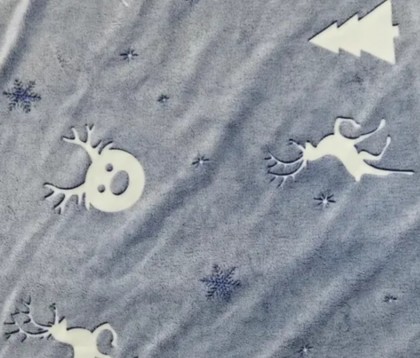
The polar fabric has become the foundation of cold-weather clothing, sportswear, blankets, products for animals, and industrial gear for cold weather. Its temperature-supporting properties, durability, and ease of care make it one of the most popular synthetic fibers in the modern textile and apparel industry. When consumers or manufacturers contrast the types of fleece, the two most commonly used terms are micro-fleece and polar fleece.
Initially, both textiles appear to be similar: they are soft, flocked, lightweight, and intended for insulation. However, their actual capabilities, structure, and utilization differ more than most consumers understand. To comprehend the genuine difference between micro-fleece and polar-fleece, it’s crucial to understand the nature of the polar-fleece fabric, its history, composition of fibers, performance characteristics, and why it continues to be the most popular type of fabric even as other varieties have appeared.
Origins and Development of Polar Fleece Fabric
The fabric that is polar is relatively recent in comparison to natural wool. It originally fueled development in the late 20th century as a more affordable, lighter alternative to wool that possessed the same thermal properties without the negative side effects associated with this material, including high water absorption, long drying time, and susceptibility to moth damage.
The earliest examples of fleece were created from polyester fibers that were brushed into a stable fabric, then mechanically brushed to produce a plush surface. The creation of polyester fabric is often credited to early textile companies that combined synthetic fiber development with advanced knitting technology.
Eventually, polar fabric evolved into multiple subtypes based on the thickness of the fabric, the method of brushing, and the degree to which it is finely powdered. Among them, micro-fleece and polar fleece became the most popular standards in the clothing industry.
What Defines Polar Fleece Fabric?
The polar fabric is a synthetic textile that is primarily composed of 100% polyester or a mixture of polyester and other materials. Its design is typically a fabric that is knitted together with a plush, brushed top on one or both sides. This creates numerous small air chambers that trap the body’s heat. This design is responsible for the fabric’s warmth, insulation, and surprisingly lightweight.
Several technical features define polar fleece fabric:
• GSM (grams per square meter):
Polar fleece typically ranges from 200 GSM to 400 GSM, depending on the intended warmth level.
• Fabric thickness:
It is generally thicker and loftier than micro fleece.
• Surface brushing:
Double brushing (brushed on both sides) is common, enhancing softness and insulation.
• Quick-drying properties:
Polar fleece repels moisture and dries significantly faster than natural wool.
• Resistance to pilling:
High-quality polar fleece incorporates anti-pilling treatments that improve longevity.
• Structural stability:
Unlike wool, polar fleece does not shrink, felt, or lose form when washed.
These characteristics make polar fleece fabric a highly versatile textile used in jackets, hoodies, blankets, camping gear, hats, gloves, and various outdoor products.
What Is Micro Fleece?
Micro fleece is a lighter, softer, and more thin fabric version of polar fleece. It’s composed of smaller fibers that are typically between 100 and 200 GSM. The utilization of micro-denier fabric allows the fabric to have a smooth, velvety quality while still being breathable and lightweight.
Micro fleece was originally intended as a base layer for clothing that was ideal for garments that were directly exposed to the skin. It’s more concerned with managing moisture and comfort, rather than with heavy insulation.
Key structural properties of micro fleece include:
• Extremely fine polyester filaments
• Thin knitted construction
• Excellent breathability and moisture wicking
• Soft hand-feel suitable for inner layers
• Lightweight thermal performance
Micro fleece shines in activewear, pajamas, lightweight jackets, children’s clothing, and sports base layers.

Micro Fleece vs. Polar Fleece: The Fundamental Differences
Despite both being part of the larger fleece family, their dissimilarities are evident when studying the structure, performance, and utilization of each. The following sections discuss their specific attributes in detail; they always discuss how each attribute interrelates with the polar fabric that is referenced in the article’s primary subject.
Thickness and GSM
This is the clearest difference between the two fabrics.
• Micro fleece: 100–200 GSM
• Polar fleece fabric: 200–400 GSM
Polar fleece fabric is thicker because it uses larger yarns and deeper brushing. This makes it suitable for outerwear and mid-layers.
Micro fleece, by contrast, aims for breathability and comfort rather than maximum insulation.
Warmth and Insulation
Polar fleece fabric naturally provides more warmth. Its loftier pile structure traps more air and reduces heat loss, making it ideal for colder climates.
Micro fleece offers moderate warmth, suitable for cool—not cold—weather or for layering.
Breathability and Moisture Management
Micro fleece outperforms polar fleece fabric in moisture wicking. The thin structure allows sweat vapor to escape quickly, making it popular in sportswear.
Polar fleece fabric is still breathable but retains heat better, which may not be ideal for high-intensity activities.
Weight and Mobility
• Micro fleece: lightweight and flexible
• Polar fleece fabric: moderately heavier but still lightweight relative to its warmth level
For gear where mobility is essential—such as running, hiking, or children’s playwear—micro fleece is often preferred.
For jackets, blankets, and cold-weather accessories, polar fleece fabric remains the best choice.
Durability and Pilling Resistance
Polar fleece fabric, if manufactured with anti-pilling finishing and higher-grade polyester fibers, typically lasts longer and resists abrasion better.
Micro fleece is more delicate due to its fine fibers and may show pilling sooner if used in rugged conditions.
Typical Use Cases
Below is a limited list of 3–4 application segments (complying with your list-limit requirement):
-
Polar fleece fabric – jackets, hoodies, winter blankets, outdoor thermal layers
-
Micro fleece – base layers, pajamas, inner linings, sports mid-layers
-
Polar fleece fabric in pet beds, gloves, hats, and cold-weather camping gear
-
Micro fleece in baby clothes and lightweight athletic garments
These applications highlight why both fabrics coexist: each fills a different role in the comfort-performance spectrum.
Advantages of Polar Fleece Fabric in Modern Textile Manufacturing
Polar fleece fabric maintains its dominant position due to a combination of performance, versatility, and manufacturing efficiency. For apparel brands and textile manufacturers, the benefits extend beyond just warmth.
High Warmth-to-Weight Ratio
Polar fleece fabric delivers exceptional thermal insulation without the bulk of natural wool or padded materials. This allows designers to create warm garments that remain easy to pack, layer, and maintain.
Cost-Effectiveness
Compared to natural fibers like wool or cashmere, polyester fleece is far more economical to produce. Its affordability makes it suitable for mass-market clothing, promotional items, and large-scale industrial use.
Easy Care and Long Lifespan
Polar fleece fabric is:
• machine-washable
• fast-drying
• resistant to shrinking
• resistant to fading
• durable in everyday use
Consumers appreciate the low maintenance, while brands value the product longevity.
Versatility in Product Design
Polar fleece fabric can be:
• single-sided brushed
• double-sided brushed
• anti-pilling finished
• water-repellent coated
• laminated with membranes
• printed or embossed
Its adaptability supports everything from fashion apparel to military cold-weather gear.
Environmental Considerations and Sustainability Trends
The textile industry is increasingly concerned with reducing environmental impact, and polar fabric, which is derived from sheep, has a role in this movement.
Recycled polyester fabric—which is often composed of plastic bottles that are post-consumer—has gained popularity. Many popular brands utilize rPET fabric that is polar in composition as a more environmentally friendly alternative to plastic. This fabric reduces the amount of plastic waste and decreases the carbon footprint of the company.
Other manufacturers are also increasing the adoption of dyeing methods, circular production models, and micro-sized filtration systems to address environmental concerns.
How to Choose Between Micro Fleece and Polar Fleece Fabric
Selecting between micro fleece and polar fleece fabric depends on the nature of the final product. Here is a practical guideline integrating both performance and market needs:
Choose micro fleece when:
• the garment is worn close to the skin
• breathability and softness matter most
• lightweight warmth is required
• The product is meant for active sports or indoor comfort
Choose polar fleece fabric when:
• maximum warmth is needed
• the product is for outdoor or cold-weather use
• the fabric must withstand abrasion, wind, or frequent washing
• structure and thickness are part of the design aesthetic
This decision framework ensures fabric selection aligns perfectly with product performance goals.
Future Development of Polar Fleece Fabric
The evolution of polar fleece fabric continues, with innovations such as:
• thermal-bonded fleece with improved warmth
• hybrid fleece with windproof layers
• recycled and biodegradable polyester fleece
• ultra-dense anti-pilling structures for heavy-duty applications
• moisture-regulating fleece for multifunctional apparel
As material science progresses, polar fleece fabric is set to remain a key player in global apparel and gear manufacturing.
Micro Fleece vs. Polar Fleece—Which Is Better?
Neither fabric is universally “better.” Instead, each excels in different functional roles.
• Micro fleece is ideal for light, breathable, next-to-skin garments and activewear.
• Polar fleece fabric provides superior insulation, durability, and versatility for outerwear and heavy cold-weather gear.
Understanding the composition and performance of polar fabric helps manufacturers, designers, and consumers make decisions about specific applications that are informed by the specifics of the fabric. As the popularity of sustainability and textile technology increases, both micro-fleece and polar fleece will continue to evolve. Each of these materials has a crucial role in the modern apparel landscape.